

Report
Conservation
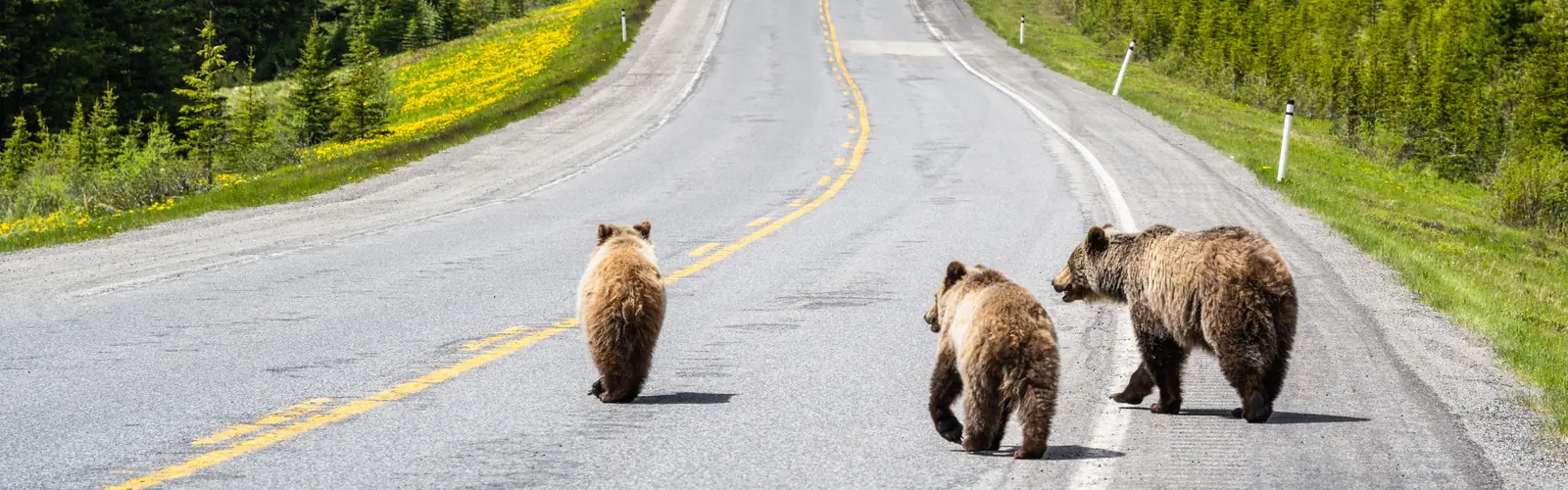
Our position
Modern conservation puts walls around nature, and keeps humans out. This is a mistake. Humans do not stand apart from the natural world. We use it, manage it, and transform it. Conservation must be an active project. The most imperiled species in the world are now conservation-reliant, dependent on continual human intervention. A conservation agenda for the current moment needs to embrace production as well as protection: rewarding habitat restoration, managing forests to prevent high-severity wildfires that they are not adapted to, and using technology and innovation to both protect species and, when possible, restore extinct species. Conservation is an ongoing responsibility: to go outside, bear witness, and tend the nature we have chosen to keep.
Start here
Three pieces the team says to read first


Conservation work
Research, analysis and everything we have put on the record: comments, testimony, statements, letters and endorsements.
Showing 43–48 of 91
Sort Newest Oldest

Analysis
Do High Agricultural Yields Spare Land for Conservation?
New Data and Perspectives in the Organic vs. Conventional Debate
· Linus Blomqvist


Analysis
Evolving Toward a Better Anthropocene
How did people evolve the capacity to push the planet into a new geologic era?
· Erle Ellis

Analysis
Calls for Agricultural Innovation in Africa
Dispatches from the Front Lines of the Ecomodernist Movement
· Alex Trembath

Analysis
Nature Unbound, A New Paradigm
Major New Conservation Report Offers Pathways to Peak Environmental Impact
· Michael Shellenberger, Ted Nordhaus
43–48 of 91
Who to talk to


Questions
What is conservation?
Conservation means protecting, restoring, and responsibly managing nature, including wildlife, forests, water, and ecosystems. Unlike strict preservation, conservation can allow sustainable human use of natural resources. Technology and higher productivity can support conservation by reducing pressure on land and natural habitats.
Why is conservation important?
Conservation protects biodiversity, wildlife, ecosystems, and the natural places people value. Healthy ecosystems also provide benefits such as clean water, flood protection, recreation, and habitat.
Why are endangered species important?
Endangered species are important because biodiversity has ecological, scientific, cultural, and intrinsic value. Protecting threatened species often requires preserving or restoring habitats that support broader ecosystems. Preventing extinction safeguards biological diversity and evolutionary history while leaving future generations a richer and more resilient natural world.
Can conservation be high-tech?
Human technology must be actively deployed to restore ecosystems, build genetic resilience against disease and climate change, and mitigate threats that traditional conservation methods cannot solve. Advanced biotechnology for environmental stewardship can enable genetic rescue, de-extinction, gene-drives, and bio-pest control.