

Analysis
Animal Agriculture
Our position
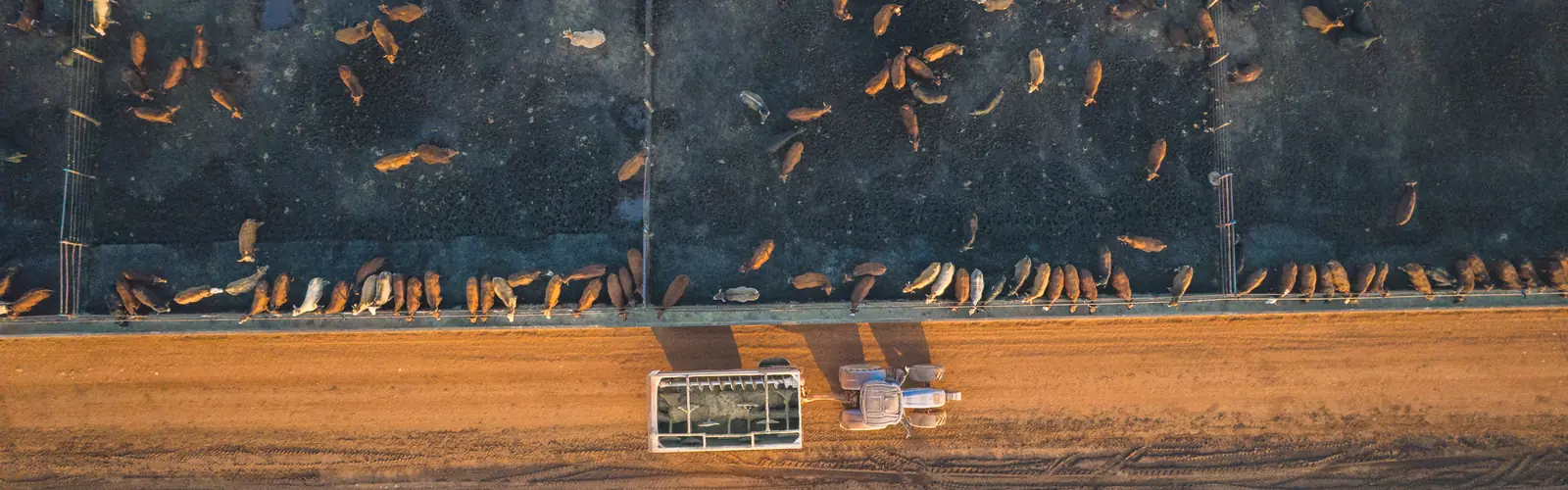
Over the course of history, humanity has serially shifted toward animal agricultural systems that are more resource-efficient and better able to meet the dietary demands of a growing population: from hunting wild animals, to raising domesticated livestock on extensive pastures, to selectively breeding and genetically altering species to confine in feedlots and other intensive systems that yield a lower environmental impact per calorie. Global demand for animal protein is rising and will continue to rise as more people leave the bonds of poverty, indicating that supply-side changes to how livestock are raised are critical to mitigating the problems of animal agriculture. Continuing to improve the environmental impacts of animal agriculture requires more technology, more intensification, and more artificial forms of producing and acquiring animal protein for human diets.
Questions
What are “factory farms”? Are they bad?
“Factory farms” are concentrated animal feeding operations. They tend to be worse on animal welfare metrics, but far better than pasture-raised alternatives for emissions, land-use, and price. Abolishing “factory farms” without significant reductions in meat consumption would raise global emissions and tropical deforestation by shifting production to lower-productivity systems.
Is grassfed beef better for the environment than grainfed beef?
No. Grass-finished cattle gain weight more slowly and occupy land longer, meaning that meat from grass-fed operations have an average of 42% higher carbon footprints than grain-finished alternatives.
Can lab-grown meat disrupt the meat industry?
Not soon. Lab-grown, or cultivated, meat companies have only barely begun commercializing their products, which continue to be more expensive than conventional products. In the long-run, cultivated meat could take some market share, but only if the product can compete on taste and price.
If I care about climate change, should I become vegan?
You don’t have to go vegan to dramatically reduce the climate impact of your diet. While vegan diets often have the lowest carbon footprint, the biggest climate benefit comes from cutting beef, dairy, and other ruminant products. A diet with chicken and pork but no beef or dairy often emits less than a vegetarian diet with substantial amounts of milk and cheese.
Start here
Three pieces the team says to read first


Animal Agriculture work
Research, analysis and everything we have put on the record: comments, testimony, statements, letters and endorsements.
Showing 7–12 of 38
Sort Newest Oldest

Analysis
Giving the Lie to The Great Meat Displacement Theory
Two new studies myth-bust both extremities of the meat debate
· Alex Smith

Analysis
New EPA Data Shows Agricultural Emissions Remain High
Highlights Urgent Need for Investment
· Dan Blaustein-Rejto

Analysis
Co-Producing Knowledge Is Vital for a Sustainable Future That Includes Livestock
Let’s be honest brokers
· Chris Gambino, Charles Brooke

Analysis
Rethinking Sustainable Beef
New Study Shows More Productive Beef Has Lower Carbon Footprint
· Dan Blaustein-Rejto, Linus Blomqvist

Analysis
How to Cut Emissions Through Agricultural Trade
U.S. maize, beef, and chicken have a smaller carbon footprint than any other major producer. Exporting more could help mitigate climate change.
· Dan Blaustein-Rejto

Analysis
We Can’t Manage Cattle Methane Without Better Measurements
Addressing enteric methane emissions requires more research and researchers
· Dan Blaustein-Rejto, Chris Gambino
7–12 of 38
Who to talk to
Dan Blaustein-Rejto
Director, Food and Agriculture Email
Latest: Breakthrough Institute Statement on USDA Plan to Strengthen the U.S. Beef Industry

Emily Bass
Director, Federal Policy, Food and Agriculture Email
Latest: Letter from the Breakthrough Institute, Industry, and Academia Call on Congress to Prioritize Research Funding to Mitigate Livestock Methane Emissions

