

Analysis
Pesticides
Our position
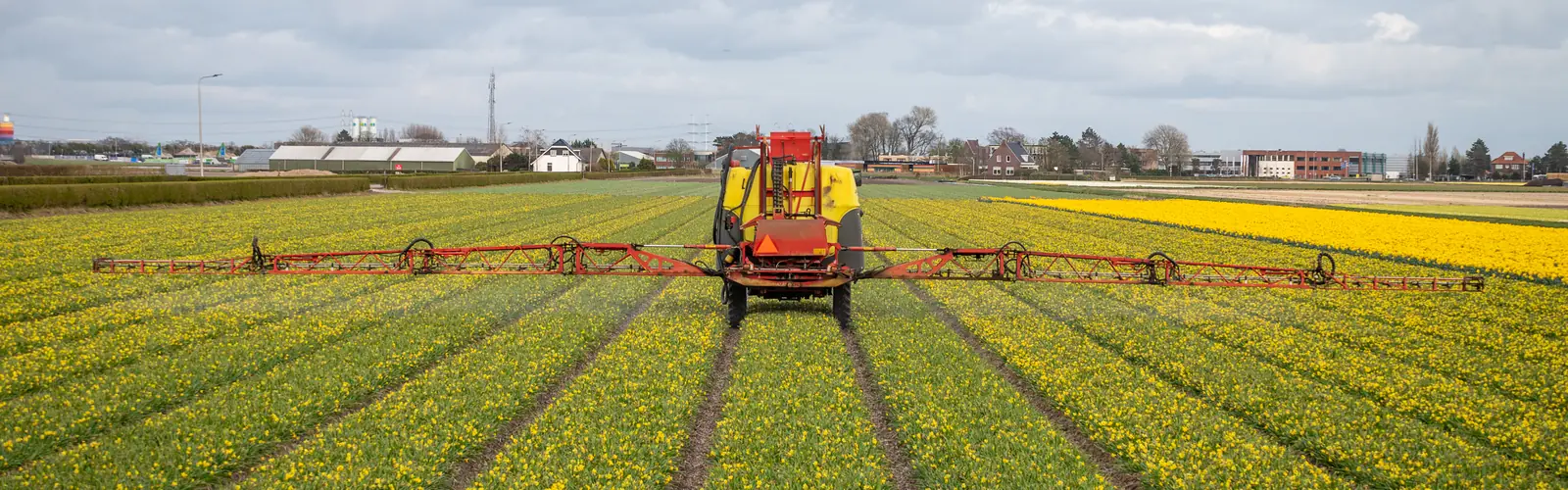
Since Rachel Carson published Silent Spring, few industrial products have received more ire than pesticides. The book led to DDT bans around the world, and woke up the interested public to the harms of indiscriminate pesticide use. And while they still receive heaps of negative press, pesticides today are very different from the early 1960s. Today, glyphosate, the most widely used herbicide in U.S. history, receives the brunt of criticism. And while it does carry some ecological risk, glyphosate is among the safest and least toxic herbicides on the market, generally posing lower risks to non-target organisms than alternative chemistries. Given that pesticides remain crucial to agricultural productivity—whether protecting crops from insects, or invasive weeds—the alternative to glyphosate isn’t no pesticides, it’s worse pesticides.
Questions
Are pesticides harmful to humans?
Pesticides help protect crops from insects, weeds, and disease, making food more abundant and affordable. Like many chemicals, they can be harmful at high enough doses, but approved pesticides are regulated to keep exposure within safe limits.
Do pesticides cause cancer?
Many pesticides are not carcinogenic, while some can increase cancer risk at high exposure levels. Regulatory agencies evaluate individual chemicals for carcinogenicity when approving how farmers can use them and when setting food-residue limits.
Can you wash pesticides off food?
Washing fruits and vegetables under running water can remove dirt, bacteria, and some pesticide residues, but not all pesticides can be washed away. Pesticide residues on food are regulated and tested by U.S. agencies, which find that nearly all samples have residues below established safety limits.
Should pesticides be banned?
No. Broad bans on conventional pesticides generally backfire since pesticides prevent major crop losses. Sweeping bans reduce yields, raise food prices, and increase pressure to expand farmland. Instead, regulation should restrict particularly hazardous pesticides, encouraging the use of safer, effective alternatives.
Start here
Three pieces the team says to read first


Pesticides work
Research, analysis and everything we have put on the record: comments, testimony, statements, letters and endorsements.
Showing 7–8 of 8
Sort Newest Oldest

Analysis
Quackery Is As Quackery Does
Environmental Chickens Come Home To Roost With RFK Jr’s Confirmation
· Ted Nordhaus

Analysis
Regulations Must Improve to Help Crops Resist Disease
EPA's New Rule on Disease-Resistant Crops Needs Revision
· Emma Kovak
7–8 of 8
Who to talk to
Dan Blaustein-Rejto
Director, Food and Agriculture Email
Latest: Bioengineering the Ultimate Honeypot

Emily Bass
Director, Federal Policy, Food and Agriculture Email
Latest: The Clock Is Ticking for Glyphosate
