

Analysis
Renewable Energy
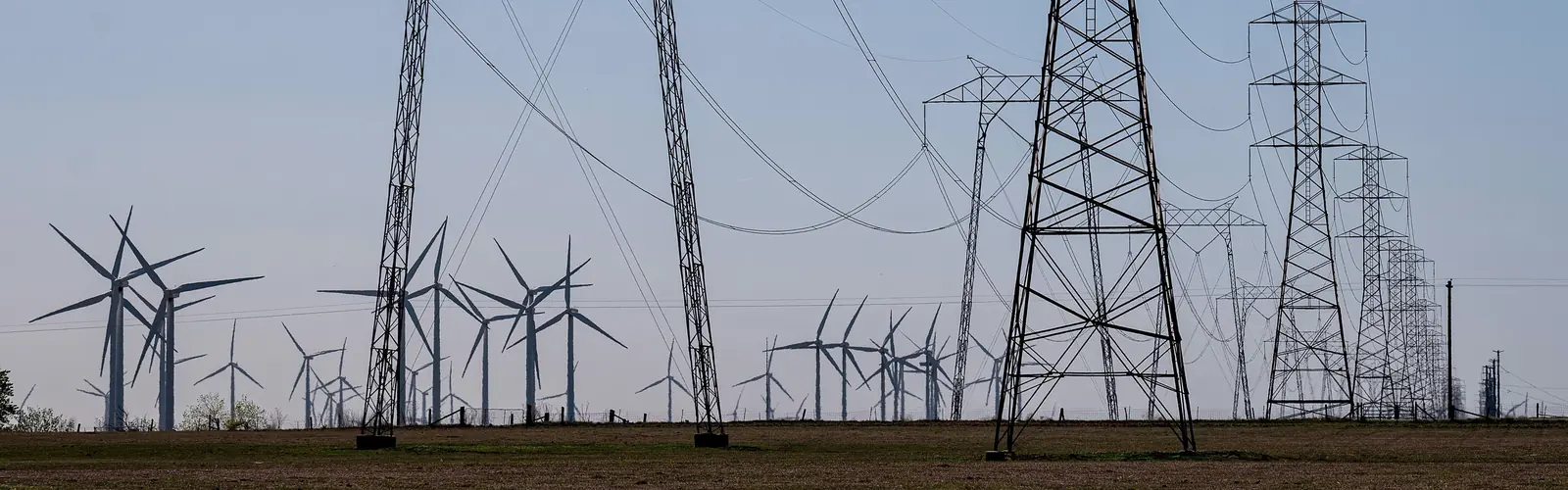
Our position
Renewable energy will be a key to a fully decarbonized, modern grid. But, despite the claims of activist researchers, a 100% renewable energy future is neither broadly practical, nor desirable. Renewable, firm power sources like geothermal and hydropower are not available in all locations, while heavy reliance on variable solar and wind may face operational uncertainty, infrastructure, cost, and land use constraints while requiring vast backup capacity. The development of technologies like advanced nuclear fission, fusion, and natural gas with carbon capture remains crucial even with significant recent progress in the solar, wind, and battery sectors.
Start here
Three pieces the team says to read first


Renewable Energy work
Research, analysis and everything we have put on the record: comments, testimony, statements, letters and endorsements.
Showing 25–30 of 43
Sort Newest Oldest

Report
Updated Mining Footprints and Raw Material Needs for Clean Energy
Challenges and opportunities for managing energy transition mining impacts
· Seaver Wang, Peter Cook, Adam Stein

Analysis
Digging into the Clean Energy Minerals Reform Act
A Policy Assessment of Impacts on Critical Minerals Production
· Peter Cook, Seaver Wang

Analysis
Critical Minerals Problems Need a Critical Minerals Solution
The Case for a Separate Regulatory Classification
· Peter Cook, Seaver Wang

Analysis
What the 100% Renewables Literature Gets Wrong
Claims that Asia and Africa can easily achieve a clean energy transition at low cost using renewables and storage alone are bunk
· Seaver Wang

Analysis
Could Geothermal Solve Latin America and the Caribbean's Energy Woes?
The case for pushing forward on this firm, clean source of energy
· Juzel Lloyd, Seaver Wang

Analysis
Dollars, Sense, and Kilowatt-Hours
"Levelized Cost of Energy" has long been used to generate misleading comparisons of nuclear and renewables. Here's why even former proponents of LCOE are moving on.
· Matthew L. Wald
25–30 of 43
Who to talk to
Seaver Wang
Director, Climate and Energy Email
Latest: The Faulty Logic at the Heart of Environmentalist Opposition to BAAJA


Questions
Is renewable energy cheaper than fossil fuels?
The question that real-world engineers and policymakers face is a little different. Generation costs alone don’t capture the full cost of a reliable power system. Transmission, storage, backup generation, and grid upgrades also matter. Affordable electricity requires evaluating technologies by the value they provide to the entire grid, not just their generation costs. Wind and solar can produce inexpensive electricity, and using them to replace fossil fuels on the grid can reduce costs. However, the value of additional wind and solar can diminish as their share of generation grows, with little leverage over the hours of the day or the weeks of the year when meeting demand is most difficut.
Can renewable energy replace fossil fuels?
Renewables can replace substantial amounts of fossil fuel use, but a reliable, affordable, low-carbon energy system will likely require more than renewables alone. Other technologies—nuclear, geothermal, and natural gas with carbon capture—can complement renewables and provide around-the-clock, low-carbon energy around the clock.
What is the biggest problem with renewable energy?
Wind and solar power generation vary depending on weather, geography, and time of day. As the share of wind and solar grows, maintaining reliability requires more transmission, storage, and firm power.
Does renewable energy cause pollution?
Even including manufacturing and raw material footprints, renewable energy sources cause significantly less environmental pollution than fossil fuels. But, wind and solar still require mining, manufacturing, land, and eventual waste disposal.