

Analysis
Renewable Energy
Our position
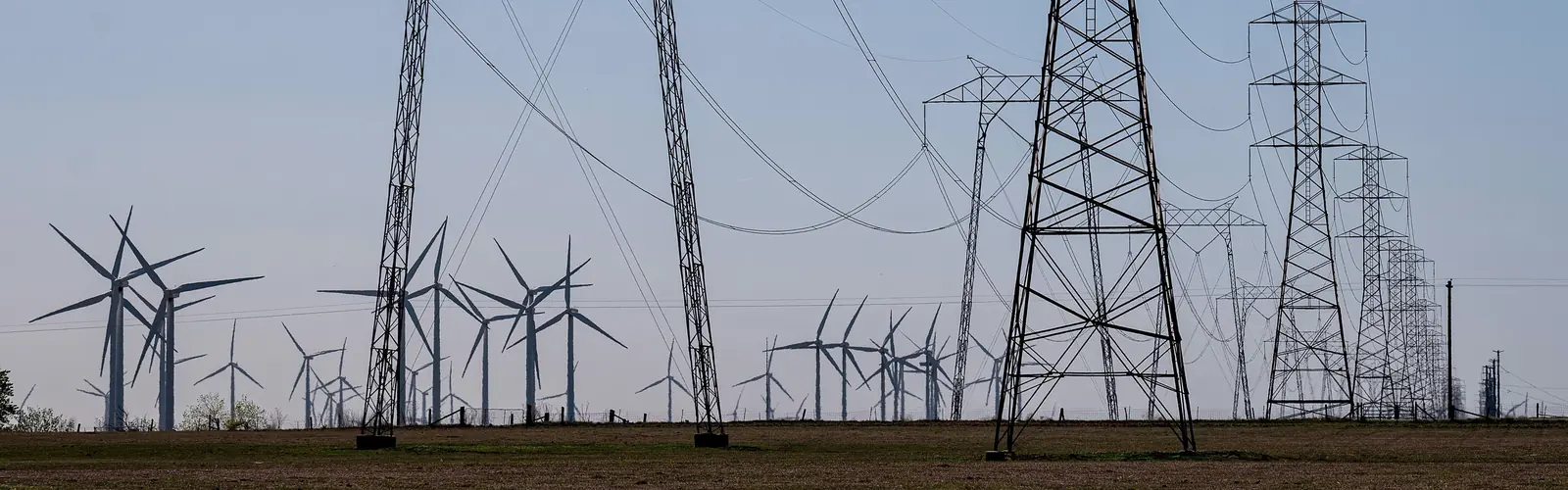
Renewable energy will be a key to a fully decarbonized, modern grid. But, despite the claims of activist researchers, a 100% renewable energy future is neither broadly practical, nor desirable. Renewable, firm power sources like geothermal and hydropower are not available in all locations, while heavy reliance on variable solar and wind may face operational uncertainty, infrastructure, cost, and land use constraints while requiring vast backup capacity. The development of technologies like advanced nuclear fission, fusion, and natural gas with carbon capture remains crucial even with significant recent progress in the solar, wind, and battery sectors.
Start here
Three pieces the team says to read first


Renewable Energy work
Research, analysis and everything we have put on the record: comments, testimony, statements, letters and endorsements.
Showing 31–36 of 43
Sort Newest Oldest


Analysis
The Solar Industry and Climate Advocates Can't Wish Chinese Human Rights Abuses Away
To quit Xinjiang, solar may need to quit China
· Seaver Wang

Analysis
How Bad Are Airline Emissions, Really?
And what to make of those protests in Germany against the aviation industry and against coal.
· Guido Núñez-Mujica, Seaver Wang

Analysis
Coping With Disaster Vs. Energy Security
A realistic path toward decarbonization for small island nations
· Juzel Lloyd

Analysis
From Coal to Solar or Wind
Employment and the clean energy transition in India’s coal-producing states.
· Simant Verma

Analysis
The “Failure” to Ban Fossil Fuel Projects in the Developing World at COP27 May Actually Save Lives.
For low-income countries, economic development necessitates more, not less, greenhouse gas emissions in the near term.
· Patrick Brown
31–36 of 43
Who to talk to
Seaver Wang
Director, Climate and Energy Email
Latest: The Faulty Logic at the Heart of Environmentalist Opposition to BAAJA


Questions
Is renewable energy cheaper than fossil fuels?
The question that real-world engineers and policymakers face is a little different. Generation costs alone don’t capture the full cost of a reliable power system. Transmission, storage, backup generation, and grid upgrades also matter. Affordable electricity requires evaluating technologies by the value they provide to the entire grid, not just their generation costs. Wind and solar can produce inexpensive electricity, and using them to replace fossil fuels on the grid can reduce costs. However, the value of additional wind and solar can diminish as their share of generation grows, with little leverage over the hours of the day or the weeks of the year when meeting demand is most difficut.
Can renewable energy replace fossil fuels?
Renewables can replace substantial amounts of fossil fuel use, but a reliable, affordable, low-carbon energy system will likely require more than renewables alone. Other technologies—nuclear, geothermal, and natural gas with carbon capture—can complement renewables and provide around-the-clock, low-carbon energy around the clock.
What is the biggest problem with renewable energy?
Wind and solar power generation vary depending on weather, geography, and time of day. As the share of wind and solar grows, maintaining reliability requires more transmission, storage, and firm power.
Does renewable energy cause pollution?
Even including manufacturing and raw material footprints, renewable energy sources cause significantly less environmental pollution than fossil fuels. But, wind and solar still require mining, manufacturing, land, and eventual waste disposal.