

Analysis
Sustainable Intensification
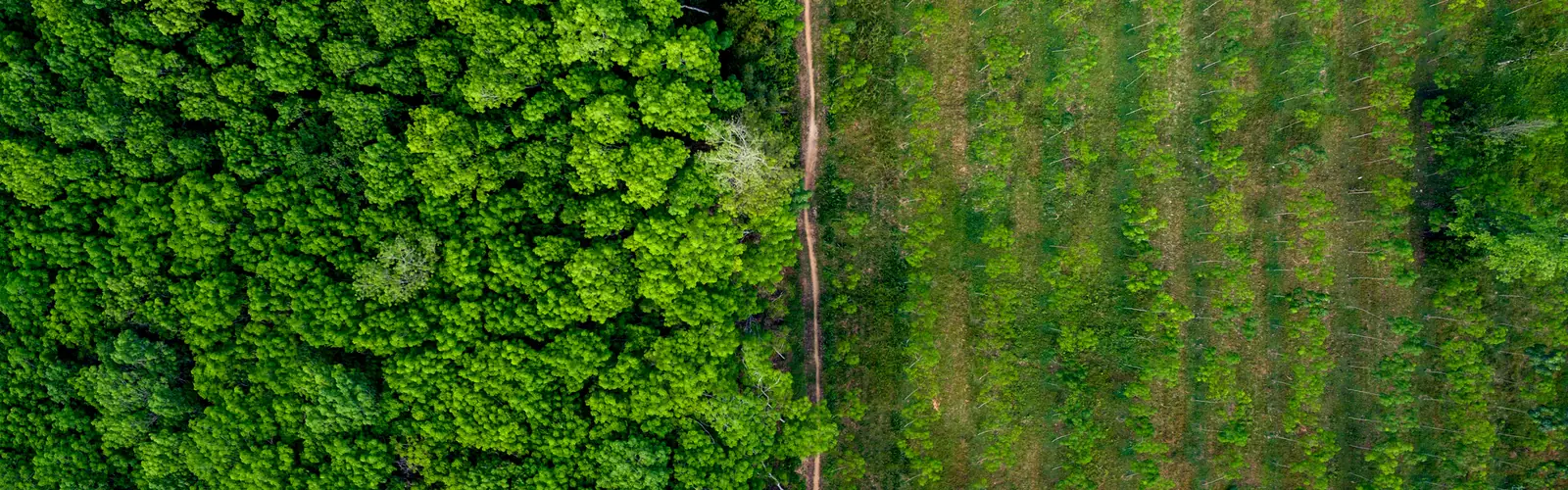
Our position
Agriculture is the single largest user of land and the largest driver of deforestation. The most effective way to meet rising food demand without converting more natural habitat is to produce more on existing agricultural land by raising crop yields and livestock productivity. This process is already happening. Since the mid-twentieth century global agricultural production more than tripled, while total cropland expansion and emissions slowed, due to massive yield growth. Maintaining and increasing agricultural yields remains a fundamental challenge requiring R&D investment, biotechnology reform, and agricultural development programs that can help lower-income countries increase yields and reduce deforestation and land conversion.
Questions
What is sustainable intensification?
Sustainable intensification means producing more food on existing farmland while reducing agriculture’s environmental impacts. By increasing yields through better technology and farming practices, farmers can use land, water, and other resources more efficiently while limiting pressure to convert forests and habitats.
What does "intensification" mean in agriculture?
Intensification means increasing the amount of food produced on a given area of farmland. Farmers can achieve this through improved crops, fertilizers, irrigation, machinery, and other technologies. Higher productivity can reduce pressure to expand farmland into forests and natural habitats.
How can intensification be sustainable?
Intensification can be sustainable when farmers produce more food while reducing environmental impacts. Higher yields, precision agriculture, improved crops, efficient irrigation, and better fertilizer use can conserve land and resources, reduce pollution, and limit agricultural expansion into forests and natural habitats.
What is the difference between sustainable intensification and agroecology?
Sustainable intensification focuses on producing more food with fewer environmental impacts and utilizes technologies and practices that increase efficiency. Agroecology generally emphasizes ecological processes, crop diversity, and reduced external inputs. The approaches can overlap, but sustainable intensification is typically more technology-neutral.
Start here
Three pieces the team says to read first


Sustainable Intensification work
Research, analysis and everything we have put on the record: comments, testimony, statements, letters and endorsements.
Showing 79–84 of 102
Sort Newest Oldest

Tool
Sustainable Intensification Tracker: An Interactive Data Visualization
· Caroline Grunewald, Sebastian Dueñas Ocampo


Analysis
Big Farms, Bad Rap
The Environmental and Human Upside of Farm Consolidation
· Caroline Grunewald, Alex Smith

Analysis
The Environmental Case for Synthetic Fertilizer
A Visual Explainer
· Alyssa Codamon, Dan Blaustein-Rejto

Analysis
No Sustainability Without Intensification
WRI Report Emphasizes Productivity and Technology for a Sustainable Agricultural Future
· Ted Nordhaus

79–84 of 102
Who to talk to
Dan Blaustein-Rejto
Director, Food and Agriculture Email
Latest: Public Agricultural Research Is Drifting Away From Farm Productivity
