

Analysis
Decarbonization
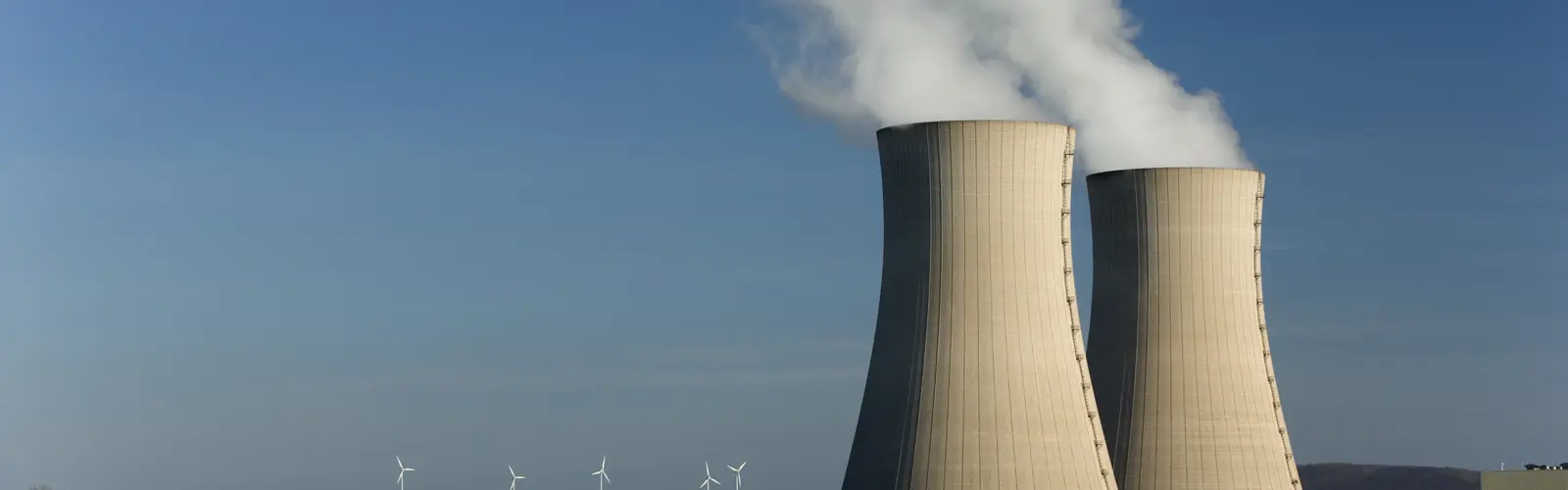
Our position
Climate change is a chronic problem to be managed over decades, not an exceptional emergency that suspends the ordinary constraints of politics and physics. Energy transitions have historically occurred slowly alongside continued energy demand growth: societies move toward denser, cheaper, more convenient energy sources because they are useful, with carbon intensity falling as a cobenefit. Decarbonization is itself a byproduct of economic modernization. Setting unachievable net-zero targets and warming thresholds or trying to tax carbon are often self-defeating politically and socially regressive. To motivate decarbonization, we need to make clean energy abundant and cheap through public and private innovation and deployment efforts, aided by regulatory and permitting reform.
Start here
Three pieces the team says to read first


Decarbonization work
Research, analysis and everything we have put on the record: comments, testimony, statements, letters and endorsements.
Showing 1–6 of 502
Sort Newest Oldest

Analysis
The Faulty Logic at the Heart of Environmentalist Opposition to BAAJA
Scary Emissions Numbers Depend on Energy Pessimism
· Seaver Wang, Ryan Alimento, Alex Trembath

Analysis
Permitting Reform Unlocks More Clean Energy Than Trump Blocks
The Long View on BAAJA
· Seaver Wang

Report
Stakeholder Stratification
Risk Fragmentation and Distributed Decision Systems in Infrastructure Deployment
· Adam Stein

Analysis
The Climate Hushing Is Coming from Inside the House
Climate Hushing Is a Material, Not Messaging, Phenomenon
· Alex Trembath

Analysis
Caught Between Hormuz and a (Chinese) Hard Place
Nuclear Energy is Japan’s only way out
· Ted Nordhaus

Analysis
What Drives Innovation in Heavy Industry?
Two case studies of innovation in nickel processing
· Ryan Alimento
1–6 of 502
Who to talk to

Alex Trembath
Executive Director Email
Latest: The Faulty Logic at the Heart of Environmentalist Opposition to BAAJA

Seaver Wang
Director, Climate and Energy Email
Latest: The Faulty Logic at the Heart of Environmentalist Opposition to BAAJA

Questions
What does decarbonization mean?
Decarbonization means reducing carbon dioxide and other greenhouse gas emissions from sectors like electricity, transportation, industry, buildings, agriculture, and land use change. Decarbonization does not mean using less energy, but rather replacing carbon-emitting technologies with cleaner alternatives, including nuclear power, renewables, and electrification.
Why is decarbonization important?
Stopping the accumulation of atmospheric carbon dioxide is key to limiting further warming and its associated impacts. Solutions like abundant, affordable, reliable clean energy can reduce emissions while supporting economic growth and rising living standards.
How close are we to net zero?
The world remains extremely far from achieving net-zero emissions. In 2024, the world emitted nearly 38.6 billion metric tons of carbon dioxide from fossil fuels and heavy industry alone—an increase of almost 1.6 billion metric tons of CO2 from five years prior in 2019.
What is an example of decarbonization?
Replacing a coal-fired power plant with a nuclear power plant is one example of decarbonization. Both produce large amounts of electricity, but nuclear plants generate power without emitting carbon dioxide during operation.