

Report
Decoupling
Our position
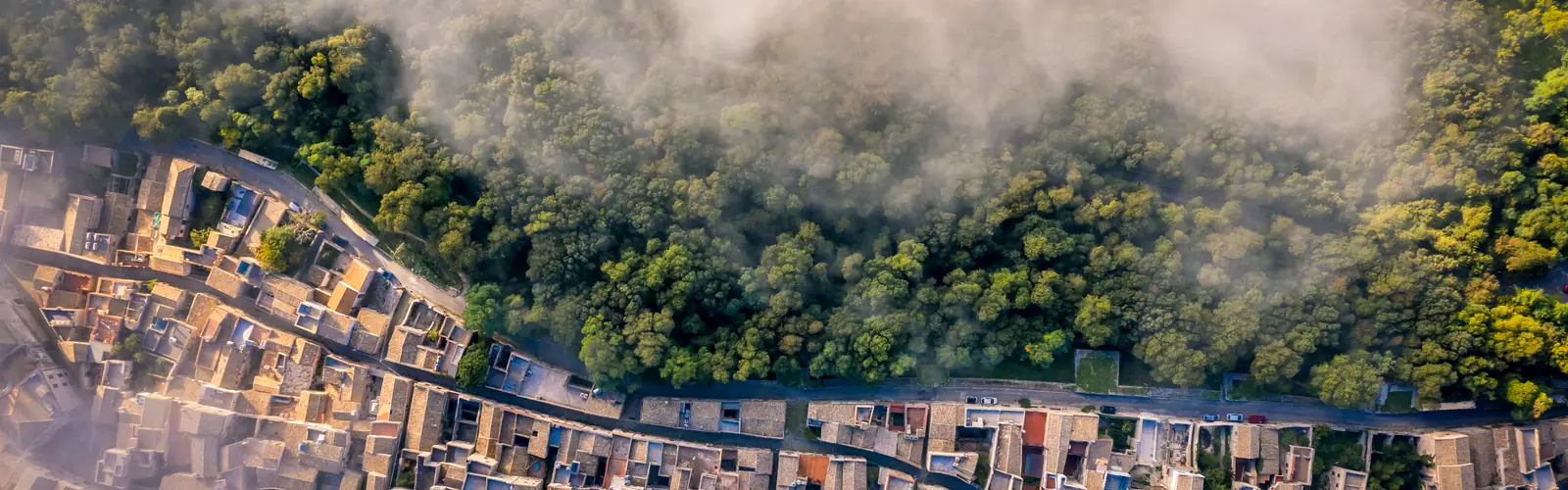
Modernization provides a long record of human decoupling from the bounds of nature. For millenia, human progress came at the expense of nature. Humans encroached on forests, grasslands, coastlines, and destroyed landscapes to dig up minerals and fuels. But, thanks to technological advances, humanity has been able to break the historical link between economic growth and environmental harm. Intensive agriculture spares land ecosystems from cultivation while evolving energy sources have limited deforestation and coal mining. Wealthy societies now grow while emissions, land use, and material throughput fall in absolute terms. But decoupling does not occur automatically, underlining the need for humanity to continue innovating and improving.
Start here
Three pieces the team says to read first


Decoupling work
Research, analysis and everything we have put on the record: comments, testimony, statements, letters and endorsements.
Showing 7–12 of 39
Sort Newest Oldest


Analysis
Green Growth Is Still Possible
A Response to the Decoupling vs. Degrowth Debate
· Linus Blomqvist

Analysis
Decoupling or Degrowth?
Why "Peak Stuff" May Not Be As Dire As You’ve Heard
· Linus Blomqvist

Analysis
Decoupling without Disconnection
Conservation and Democracy in an Urbanized World
· Jamie Lorimer

7–12 of 39
Who to talk to


Questions
What is decoupling?
Decoupling means separating economic growth and rising living standards from environmental harm. Through technological innovation and greater efficiency, societies can produce more food, energy, and goods while using less land and fewer resources and generating less pollution and carbon emissions.
Is green growth possible?
Yes. Economic growth does not have to mean greater environmental harm. Through technological innovation, societies can produce more food, energy, and goods while reducing emissions, pollution, land use, and resource consumption. Decoupling enables rising prosperity and environmental progress to occur together.
What is the difference between green growth and degrowth?
Green growth seeks to improve living standards while reducing environmental impacts through technology and greater efficiency. Degrowth argues that absolute reductions in global production and consumption are necessary to achieve environmental goals.
Which countries have decoupled economic growth from emissions?
Many wealthy countries have grown their economies while reducing carbon emissions. The United States, United Kingdom, France, Germany, Sweden, and others have achieved this for extended periods. Even China is now peaking its carbon emissions even while its economy continues to grow.