

Analysis
Economic Development
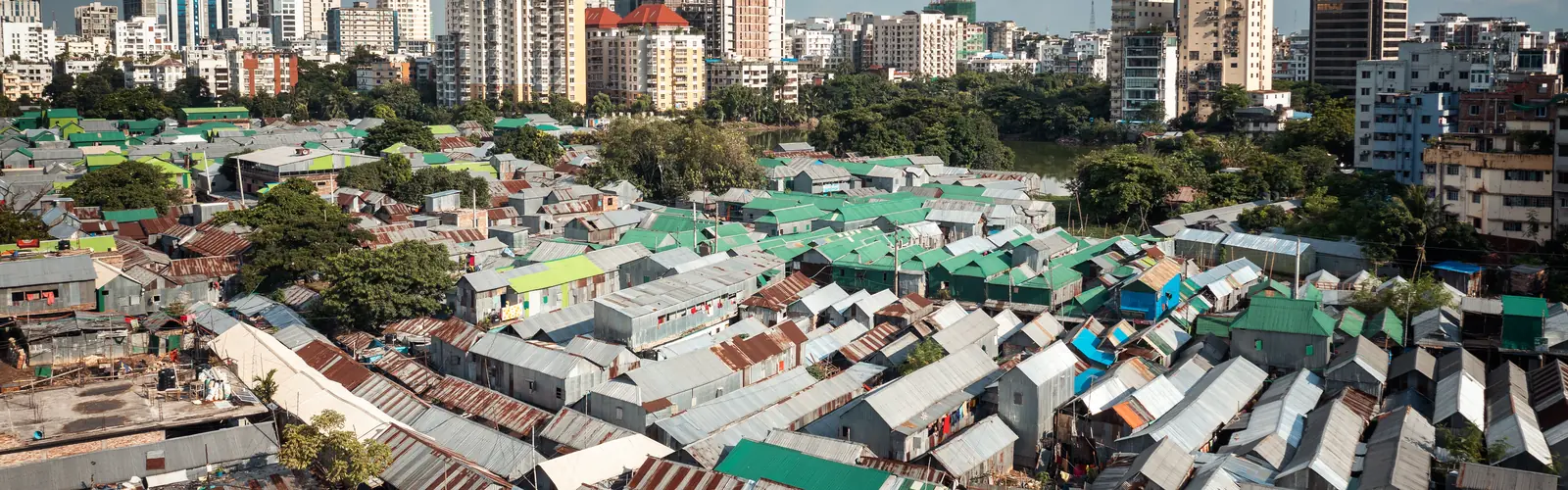
Our position
No country has reached prosperity without abundant, reliable energy and intensive agriculture. Poor countries remain poor in large part because of inadequate access to energy, food, infrastructure, and industry. Climate policy that restricts developing economies’ energy growth, such as limitations on fossil fuel use, entrenches poverty and costs lives. Such restrictions are also hypocritical. Wealthy countries industrialized through coal, cut down their forests for agriculture and fuel, and often colonized other peoples to produce these same resources. And now, environmental groups try to restrict financing for natural gas infrastructure in Africa and limit fertilizer use for poor farmers.
Start here
Three pieces the team says to read first


Economic Development work
Research, analysis and everything we have put on the record: comments, testimony, statements, letters and endorsements.
Showing 7–12 of 77
Sort Newest Oldest

Analysis
Can Development Banks Do Better on Climate Adaptation Finance?
Evidence from the World Bank Does Not Inspire Optimism
· Vijaya Ramachandran

Analysis
Land Grabs for Carbon
Are carbon offset megadeals the future of conservation in Africa?
· Vijaya Ramachandran, Alex Smith, Satvika Mahajan

Analysis
The West Needs to Come to Grips with African Fertilizer Needs
Organic Agriculture Won't Feed the World
· Vijaya Ramachandran, Alex Smith

Analysis
On the Difference Between Techno and Technocratic Optimism
The Inflation Reduction Act at one
· Ted Nordhaus, Alex Trembath

Analysis
What the 100% Renewables Literature Gets Wrong
Claims that Asia and Africa can easily achieve a clean energy transition at low cost using renewables and storage alone are bunk
· Seaver Wang

Analysis
Deregulating Clean Energy Is More Important Than Regulating Carbon Emissions
An Analysis of the EPA’s Power Plant Regulation Proposal
· Juzel Lloyd, Alex Trembath, Seaver Wang
7–12 of 77
Who to talk to
Vijaya Ramachandran
Director, Energy and Development Email
Latest: It's Time for the World Bank to Scrap Its Climate Finance Targets

Ted Nordhaus
Founder and President Email
Latest: It's Time for the World Bank to Scrap Its Climate Finance Targets

Questions
What is economic development?
Economic development is the long-term process by which societies become more productive, prosperous, and technologically advanced. Development typically brings higher incomes, better infrastructure, greater access to energy, improved health and education, and longer lives. Development enables people to meet basic needs, make choices about their lives, and pursue greater opportunities.
Why are poor countries poor?
Countries have remained poor for many reasons, including weak institutions, conflict, inadequate infrastructure, limited energy access, low agricultural productivity, historical conflict and exploitation, and barriers to investment and trade. Development requires building institutions, technologies, infrastructure, and productive capacity that can support sustained economic growth.
How do poor countries become rich?
Countries become richer by increasing productivity, building infrastructure, and creating more valuable goods and services. Historically, development has involved industrialization, mechanized agriculture, abundant energy, modern infrastructure, technological adoption, education, trade, and effective institutions. Sustained economic growth uplifts incomes and living standards over time.
Can economic development and environmental protection coexist?
Yes. Economic development and environmental protection can reinforce each other. Wealthier societies possess more resources and societal capacity to invest in clean energy, efficient infrastructure, conservation, and pollution control. Through technological innovation and greater productivity, countries can in turn improve living standards while reducing emissions, pollution, land use, and other environmental impacts.