

Analysis
Fossil Fuels
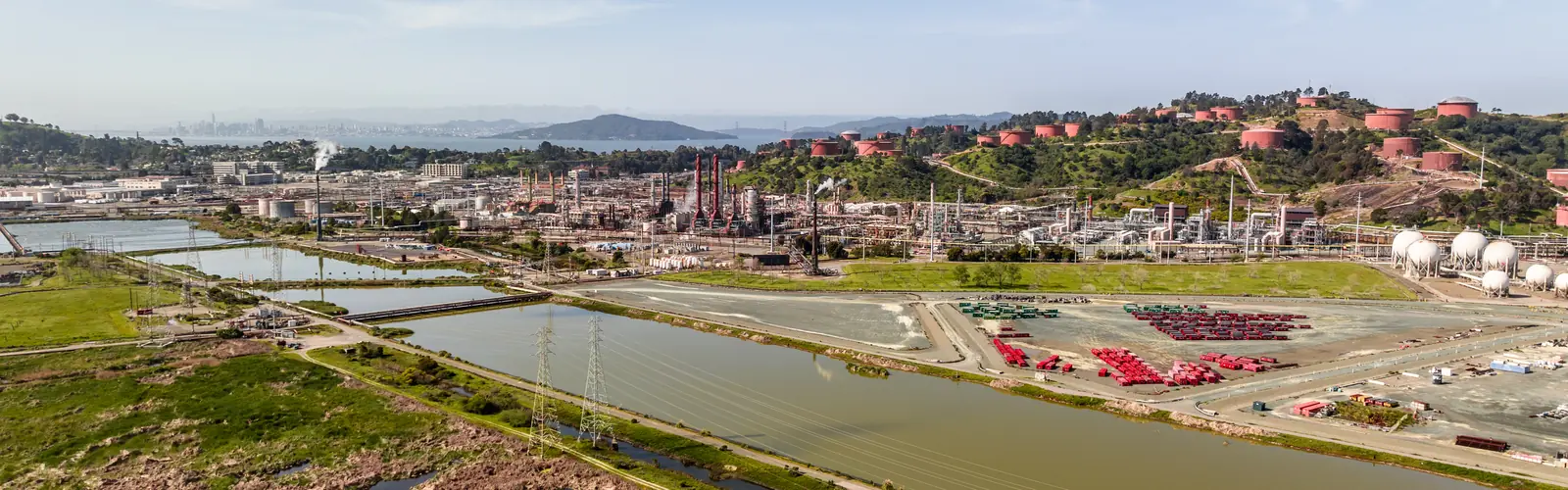
Our position
Humanity faces a difficult challenge. To stabilize increasing global temperatures from climate change, the world must eventually phase out fossil fuels; but in the meantime, gas and oil remain key to human development, universal energy access, and climate resilience. In developed economies, natural gas remains a fundamental bridge between coal and clean energy sources like nuclear, geothermal, or renewables. Developing economies need a backbone of flexible generation to support clean energy deployment and fossil inputs for crucial industries like fertilizers, cement, and steel. Barring fossil fuels development in poorer countries consigns their populations to continued poverty and hunger.
Start here
Three pieces the team says to read first


Fossil Fuels work
Research, analysis and everything we have put on the record: comments, testimony, statements, letters and endorsements.
Showing 13–18 of 20
Sort Newest Oldest

Video
Our Approach to Fossil Fuels for the Poor is Upside Down
Here’s how to fix it.
· Vijaya Ramachandran

Analysis
How Bad Are Airline Emissions, Really?
And what to make of those protests in Germany against the aviation industry and against coal.
· Guido Núñez-Mujica, Seaver Wang

Analysis
Coping With Disaster Vs. Energy Security
A realistic path toward decarbonization for small island nations
· Juzel Lloyd

Analysis
Bad Stove Science Is a Roadblock on the Path to Electrification
Actively courting the culture war and reframing everyday activities into eco-nightmares seems likely to generate backlash and suspicion.
· Alex Trembath

Analysis
The “Failure” to Ban Fossil Fuel Projects in the Developing World at COP27 May Actually Save Lives.
For low-income countries, economic development necessitates more, not less, greenhouse gas emissions in the near term.
· Patrick Brown

Analysis
Electricity Deregulation has a Decarbonization Blind Spot
Being low carbon doesn’t get you more revenue in the electric market
· Matthew L. Wald
13–18 of 20
Who to talk to
Alex Trembath
Executive Director Email
Latest: Quiet Climate Policy Is Dead. Long Live All-of-the-Above Energy Policy.


Vijaya Ramachandran
Director, Energy and Development Email
Latest: Greenwashing With Chinese Characteristics

Questions
When will fossil fuels run out?
Not anytime soon. Coal, oil, and natural gas remain abundant, and new technologies can make additional resources economical to extract. The challenge is not waiting for fossil fuels to run out, but developing cleaner substitutes that can outperform them.
Why are fossil fuels bad for the environment?
Fossil fuels have powered enormous improvements in living standards and remain essential to modern economies. But burning them releases carbon dioxide that drives climate change, as well as pollutants like particulate matter, sulfur dioxide, nitrogen oxides, and mercury that harm human health.
Should fossil fuels be banned?
No. Fossil fuels remain essential to modern economies and global development, and abruptly banning them would collapse global agriculture, trade, manufacturing, and electricity production—making a ban functionally impossible.
Do fossil fuels still supply most of the world's energy?
Yes. Fossil fuels—coal, oil, and natural gas—still supply over 80 percent of the world’s total primary energy and around 68% of final energy. That includes energy used for transportation, heating, industry, and electricity generation, not just electricity.