

Analysis
Industrial Agriculture
Our position
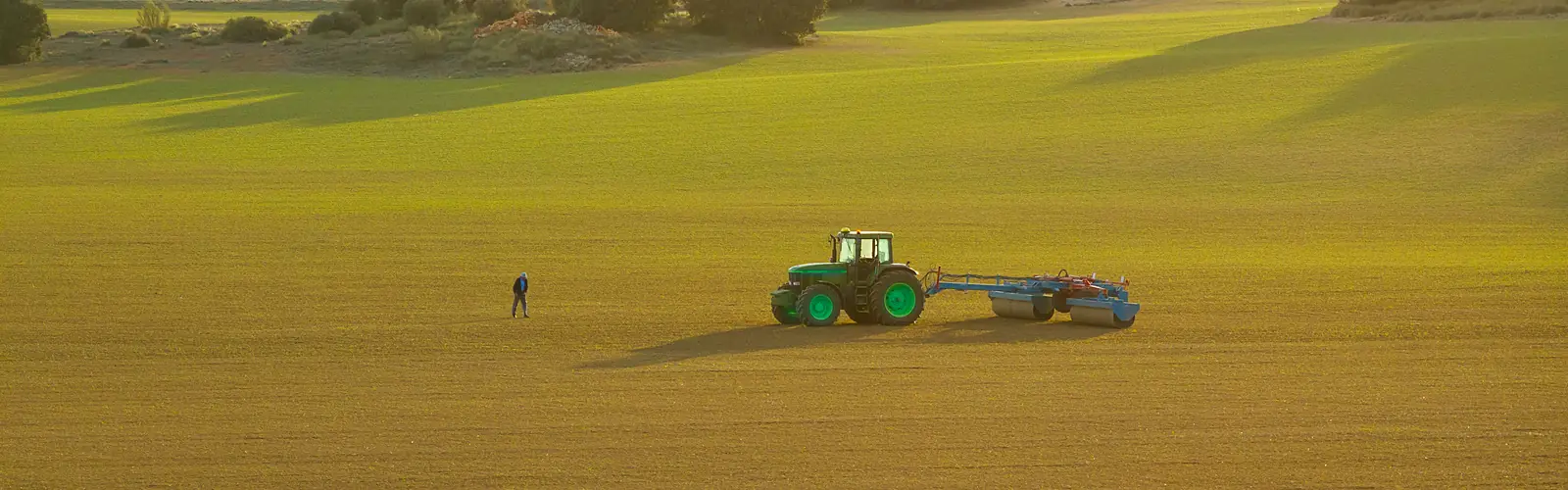
You can’t have modern life without modern agriculture. And modern agriculture is not the problem that critics make it out to be. Industrial agriculture, which leverages technology and scale to produce more food on less land, is the only way to feed a growing global population without using up every last acre of land. Alternative systems, like organic, regenerative, and agroecology, may appear “gentler” on local environments, but these approaches have significant yield penalties. Industrial systems may appear to be less “natural,” but by producing more food on less land, modern agriculture actually spares land elsewhere, protecting forests, wetlands, and biodiversity, all while providing the world with affordable, nutritious food.
Questions
What is industrial agriculture?
Industrial agriculture is large-scale, highly productive farming that uses modern machinery, fertilizers, pesticides, improved crops, irrigation, and specialized livestock systems. These technologies have made food more abundant and affordable while increasing productivity and helping spare land by producing more food per acre.
Is industrial agriculture bad?
Not inherently. Industrial agriculture can contribute to pollution, greenhouse gas emissions, and soil degradation. But it also makes food more abundant and affordable while producing more on less land. Modern technologies and farming practices reduce environmental impacts without sacrificing agricultural productivity.
Can industrial agriculture be sustainable?
Yes. Industrial agriculture can become more sustainable by producing more food with less land, water, fertilizer, and other resources. Technologies like precision agriculture, improved crops, and efficient irrigation can reduce environmental impacts while maintaining the high productivity needed to feed billions.
Why do factory farms exist?
Factory farms produce large quantities of meat, dairy, and eggs efficiently and affordably. Concentrating animals can lower production costs and use land efficiently.
Start here
Three pieces the team says to read first


Industrial Agriculture work
Research, analysis and everything we have put on the record: comments, testimony, statements, letters and endorsements.
Showing 19–24 of 24
Sort Newest Oldest

Analysis
The Environmental Case for Industrial Agriculture
Small-scale Food System Enlarges Human Footprint
· Ted Nordhaus

Analysis
Is Feedlot Beef Better for the Environment?
Smaller Land Footprint and Lower Pollution Pointed to by Scientist Judith Capper
· Marian Swain

Analysis
Can We Grow More Food on Less Land?
Sustainable Intensification Needs to Continue For Trend to Last
· Jon Fisher

Analysis
A Marriage of Two Agricultures
Pamela Ronald on the Need for GMOs and Organic Farming
· Jason Sibert

Analysis
Farm to Fable
Eating Local May Feel Good, But Is It Smart for the Planet?
· Stacy M. Philpott

Analysis
Bitter Harvest
How Anti-Technology Environmentalists Have Reversed the Green Revolution
· Robert Zeigler
19–24 of 24
Who to talk to
Dan Blaustein-Rejto
Director, Food and Agriculture Email
Latest: MAHA: Making Agriculture Harder for All


