

Analysis
Industrial Agriculture
Our position
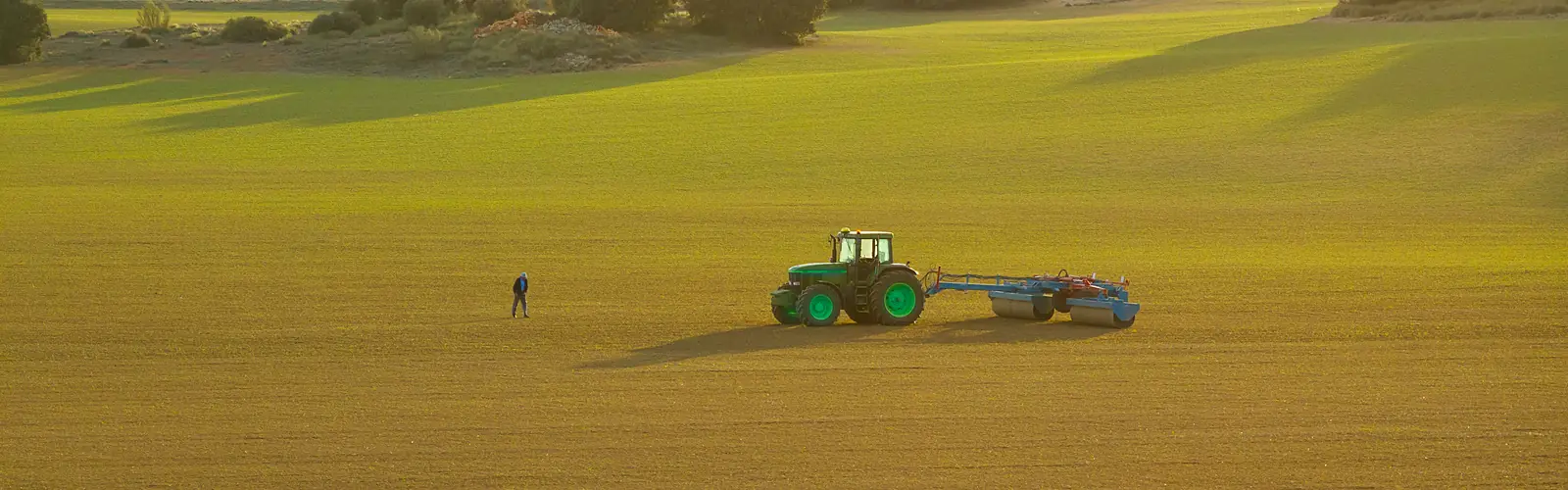
You can’t have modern life without modern agriculture. And modern agriculture is not the problem that critics make it out to be. Industrial agriculture, which leverages technology and scale to produce more food on less land, is the only way to feed a growing global population without using up every last acre of land. Alternative systems, like organic, regenerative, and agroecology, may appear “gentler” on local environments, but these approaches have significant yield penalties. Industrial systems may appear to be less “natural,” but by producing more food on less land, modern agriculture actually spares land elsewhere, protecting forests, wetlands, and biodiversity, all while providing the world with affordable, nutritious food.
Questions
What is industrial agriculture?
Industrial agriculture is large-scale, highly productive farming that uses modern machinery, fertilizers, pesticides, improved crops, irrigation, and specialized livestock systems. These technologies have made food more abundant and affordable while increasing productivity and helping spare land by producing more food per acre.
Is industrial agriculture bad?
Not inherently. Industrial agriculture can contribute to pollution, greenhouse gas emissions, and soil degradation. But it also makes food more abundant and affordable while producing more on less land. Modern technologies and farming practices reduce environmental impacts without sacrificing agricultural productivity.
Can industrial agriculture be sustainable?
Yes. Industrial agriculture can become more sustainable by producing more food with less land, water, fertilizer, and other resources. Technologies like precision agriculture, improved crops, and efficient irrigation can reduce environmental impacts while maintaining the high productivity needed to feed billions.
Why do factory farms exist?
Factory farms produce large quantities of meat, dairy, and eggs efficiently and affordably. Concentrating animals can lower production costs and use land efficiently.
Start here
Three pieces the team says to read first


Industrial Agriculture work
Research, analysis and everything we have put on the record: comments, testimony, statements, letters and endorsements.
Showing 1–6 of 24
Sort Newest Oldest

Analysis
The Clock Is Ticking for Glyphosate
Decisions from Supreme Court, EPA, and state legislatures expected in 2026
· Emily Bass

Analysis
Big Agriculture Dodged a Bullet with the New MAHA Strategy
RFK’s policy strategy lacks regulatory teeth, pulls back from anti-pesticide rhetoric
· Emily Bass

Analysis
MAHA: Making Agriculture Harder for All
How MAHA’s vision for farming would increase food prices, habitat loss, and emissions
· Dan Blaustein-Rejto

Analysis
Mythbusting MAHA: A Reality Check on Glyphosate
A hypothetical glyphosate ban would backfire, with consequences for human health and the environment
· Emily Bass

Analysis
Mythbusting MAHA’s claims about food and farming
Robert F. Kennedy Jr. and his HHS are on a public health crusade that is largely a distraction
· Emily Bass

Analysis
Can RFK Kneecap American Agriculture?
The Worst Version of the Nightmare is Over, But We’re Not Out of the Woods Yet
· Alex Smith
1–6 of 24
Who to talk to
Dan Blaustein-Rejto
Director, Food and Agriculture Email
Latest: MAHA: Making Agriculture Harder for All


