

Report
Wildfires
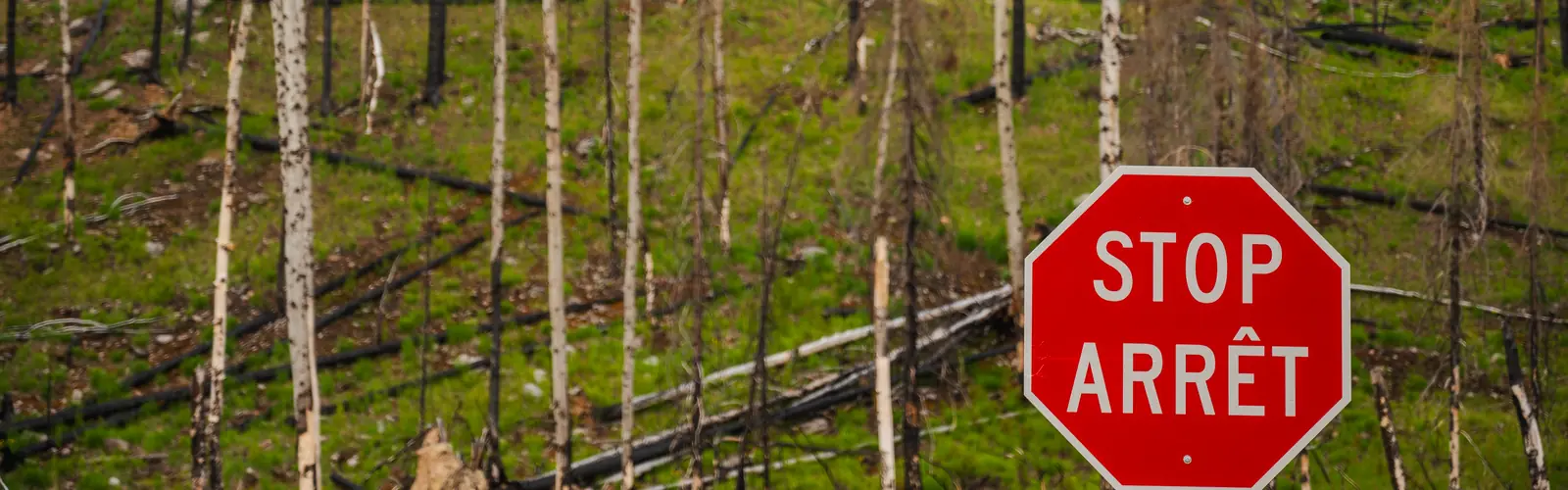
Our position
After a century of fire suppression, the American West has been saddled with forests with unnaturally high fuel loads that, when ignited, burn hotter and longer. To mitigate extreme wildfire risk, forests need to be managed, thinned, and burned. These interventions—mechanical thinning paired with prescribed burns—reduce the severity of fires, and can make them easier to contain. But, fuel reduction activities led by the U.S. Forest Service and other land management agencies are heavily bottlenecked by regulatory friction, litigation-induced project delays, funding dynamics, and incentive structures that prioritize reactive wildfire suppression over proactive mitigation. To truly protect wild lands, and the habitats and biodiversity they hold, while also protecting human life and property, we must actively manage our forests.
Start here
Three pieces the team says to read first


Wildfires work
Research, analysis and everything we have put on the record: comments, testimony, statements, letters and endorsements.
Showing 13–17 of 17
Sort Newest Oldest


Analysis
California’s Massive Park Fire Would be Less Severe if We Proactively Reduced Fuels
The Park Fire Shows That Both a Lack of Active Management on U.S. Forest Service Land and Land Management Optimized for Timber Production are Far from Ideal for Wildfire Safety.
· Patrick Brown

Analysis
We Choose to Reduce Wildfire Danger, Not Because It Is Natural But Because It Is Good
Relying on the Naturalistic Fallacy Confuses the Case for Proactive Land Management
· Patrick Brown

Report
Cost-Effectiveness Of Large-Scale Fuel Reduction for Wildfire Mitigation in California
The Benefits of Fuel Reduction are Likely to be Far Larger Than Their Costs
· Patrick Brown

Analysis
To Protect Forests, They Must Be Logged and Burned
Thinning forests returns them closer to their natural state—and makes major conflagrations less devastating
· Patrick Brown
13–17 of 17
Who to talk to
Emily Bass
Director, Federal Policy, Food and Agriculture Email
Latest: Two Permitting Bills Are Better Than One for America's Forests


Questions
What causes most wildfires?
Most wildfires in the United States are started by people, through unattended fires, equipment, vehicles, power lines, or arson; lightning causes many others. But ignition is only part of the story. Drought, heat, vegetation, forest conditions, and wind determine how intensely fires burn and spread.
Are wildfires getting worse?
In much of the western United States, wildfires have grown larger and more destructive in recent decades. Climate change is increasing hot, dry conditions that favor fire, while decades of fire suppression have left some forests with excess vegetation. Development in fire-prone areas also increases damage.
Should wildfires be left to burn?
Sometimes. Fire is a natural part of many ecosystems, and allowing some fires to burn can reduce accumulated vegetation and improve forest health. But fires threatening communities and infrastructure require suppression. Better forest management should combine managed wildfire, prescribed burns, vegetation removal, and protection for communities.
Is climate mitigation enough to stop wildfires?
The carbon released during catastrophic wildfire seasons can effectively erase the carbon reductions achieved through climate policies. Instead of relying exclusively on long-term global mitigation, active forest management is needed to mitigate catastrophic wildfires and avoid associated emissions.