

Analysis
Biofuels
Our position
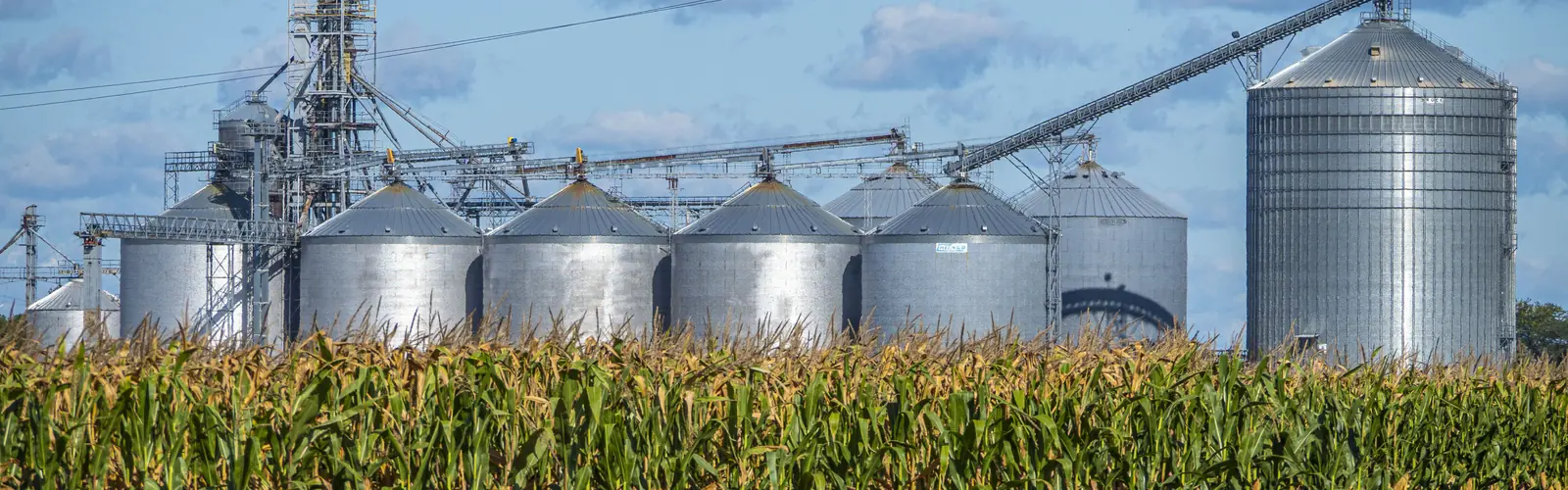
Policies that incentivize growing crops for fuel instead of food or livestock feed impose land and carbon costs large enough to exceed the fossil fuel emissions those biofuels displace. Land is a finite resource: diverting corn, soy, and other crops to fuel raises demand and prices, spurring the expansion of cropland into forests and grasslands. Yet these costs remain unaddressed, in part because the models that regulators use to justify biofuel policies produce unrealistic estimates of their impact on farmland expansion that are far lower than estimates from newer retrospective studies. Sparing land, rather than harvesting for fuel, is the better path.
Questions
Are biofuels good or bad for the environment?
Crop-based biofuels often do more environmental harm than their benefits justify. Growing crops for fuel uses scarce land, water, and other resources; competes with food production; and drives agricultural expansion into forests and grasslands. The resulting carbon emissions and other environmental impacts often exceed the benefits of replacing fossil fuels.
Why is ethanol added to gasoline?
Ethanol is added to gasoline to boost octane, but government policies are the major reason it is used so widely. The federal Renewable Fuel Standard drives demand for billions of gallons of ethanol each year. Most U.S. gasoline now contains about 10 percent ethanol, primarily made from corn.
Can biofuels replace fossil fuels?
No, not sustainably. Replacing a large share of transportation fuels with crop-based biofuels would require enormous amounts of land, competing with food production and natural habitats. Limited supplies of truly low-carbon biofuels, such as some of those made from waste products, are better suited to sectors that are difficult to electrify, especially aviation and shipping.
Is ethanol bad for your car?
Usually not. Most gasoline sold in the United States contains up to 10 percent ethanol (E10), which is safe for nearly all gasoline-powered cars. Higher-ethanol blends can cause problems in incompatible vehicles, so drivers should use fuels approved for their engines.
Start here
Three pieces the team says to read first


Biofuels work
Research, analysis and everything we have put on the record: comments, testimony, statements, letters and endorsements.
Showing 1–6 of 6
Sort Newest Oldest
Statement
Breakthrough Institute Statement on EPA’s 2026-27 Renewable Fuel Volume Requirements
· Dan Blaustein-Rejto

Analysis
California Should Stop Forcing Drivers to Subsidize Deforestation
Why crop-based biofuels are undermining the state’s Low Carbon Fuel Standard
· Dan Blaustein-Rejto, Lauren Teixeira
Statement
California Support for Crop-Based Biofuels Undermines Clean Fuels Program
· Dan Blaustein-Rejto

Analysis
Burning the Breadbasket
China’s retreat from U.S. soy is feeding the push for more biofuels
· Dan Blaustein-Rejto


Analysis
Wishful Thinking in the Stratosphere
Jet Fuel from Corn Sounds Sustainable, but Isn’t Much Cleaner
· Matthew L. Wald
Who to talk to
Dan Blaustein-Rejto
Director, Food and Agriculture Email
Latest: Breakthrough Institute Statement on EPA’s 2026-27 Renewable Fuel Volume Requirements

Lauren Teixeira
Senior Climate and Energy Analyst Email
Latest: California Should Stop Forcing Drivers to Subsidize Deforestation

