

Report
Permitting Reform
Our position
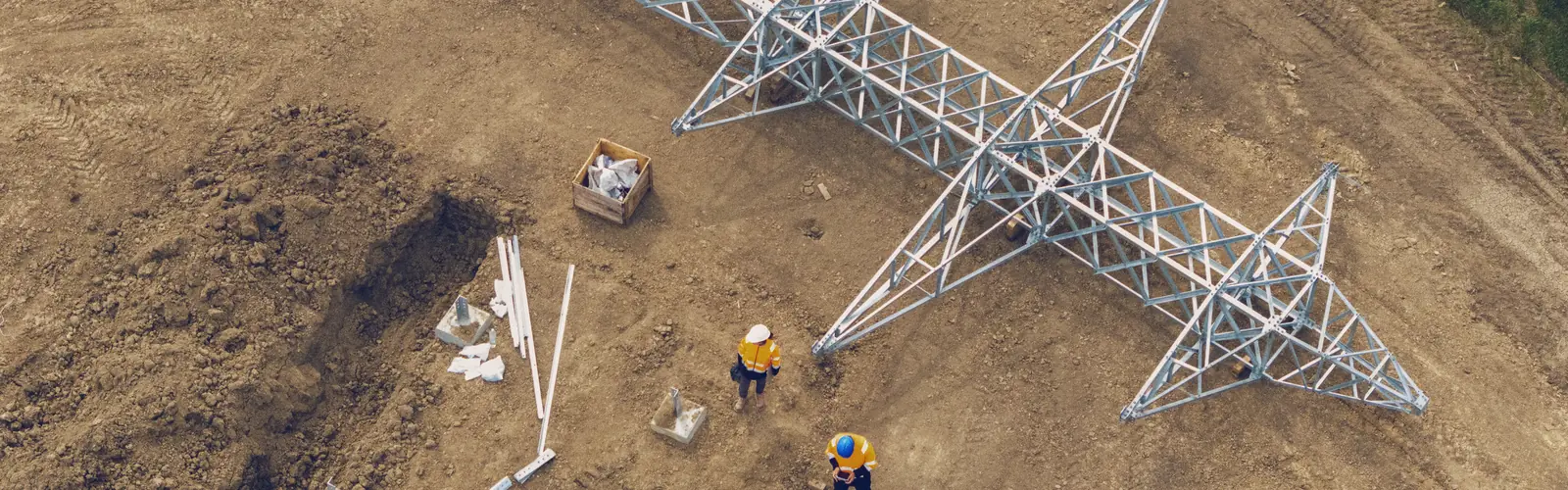
Decarbonization and material abundance depend on the capacity to build. But, the United States has spent fifty years adding layer upon layer of environmental review and permitting requirements. Open-ended procedures and litigation are often disconnected from or even at odds with environmental protection. Judicial precedent and administrative practice has turned the National Environmental Policy Act from a statute meant to inform public deliberation and planning into a way of delaying or killing disfavored projects for whoever has the means to file suit. But NEPA is just one law. Decarbonization projects must also often navigate the Clean Water Act, National Historic Preservation Act, Endangered Species Act, and many more national and state laws. The accumulation of requirements, paired with strained federal agencies, can be paralyzing.
Start here
Three pieces the team says to read first


Permitting Reform work
Research, analysis and everything we have put on the record: comments, testimony, statements, letters and endorsements.
Showing 7–12 of 37
Sort Newest Oldest

Analysis
The Public Power Anchor
Abundance Transmission Without Stealth Deregulation, an Essay in 2 Parts
· Fred Stafford

Report
Modernizing Preservation
Fixing the National Historic Preservation Act for Linear Infrastructure
· Marc Levitt, Elizabeth McCarthy

Analysis
Everything Is Becoming Historic
As the list of what counts as "historic" grows, new infrastructure becomes harder to build
· Elizabeth McCarthy

Analysis
Regulating in the Dark
The Data Void Behind Clean Water Act §401
· Marc Levitt, Elizabeth McCarthy

Analysis
The NEPA Everyone Is Arguing About Doesn’t Exist Anymore
NEPA’s old framework has been taken apart, leaving permitting reform as the only path to restore community protections
· Marc Levitt

Analysis
Don’t Let Stealth Deregulation Sink Permitting Reform
Make Transmission Policy Technical, Not Ideological
· Ted Nordhaus, Ryan Alimento, Seaver Wang
7–12 of 37
Who to talk to
Marc Levitt
Director, Environmental Regulatory Reform Email
Latest: The Unmistakable Need for BAAJA’s Clean Water Act 401 Reform


Questions
What is permitting reform?
Permitting reform means improving how governments review and approve new infrastructure. In the United States, permitting can be slow, complex, and unpredictable, making projects harder and more expensive to build. Reforms aim to accelerate decisions while maintaining important environmental protections.
What is NEPA?
The National Environmental Policy Act (NEPA) requires federal agencies to evaluate the environmental impacts of major federal actions before making decisions. It promotes informed decision-making and public input. But lengthy reviews and litigation can also delay infrastructure, including environmentally beneficial projects.
What is the current status of NEPA?
NEPA is federal law. But its implementation is changing. Recent reforms have established deadlines and page limits for environmental reviews, while the Trump administration rescinded government-wide NEPA regulations and directed agencies to streamline their procedures. A 2025 Supreme Court decision further narrowed the scope of environmental reviews and directed courts to defer more to government review choices.
Why does it take so long to get a permit in the US?
Major projects can require approvals from multiple federal, state, and local agencies, each with different rules and timelines. Lengthy environmental reviews, overlapping requirements, agency capacity constraints, and litigation can add years of uncertainty. Permitting reform can make these processes faster and more predictable while protecting the environment.